

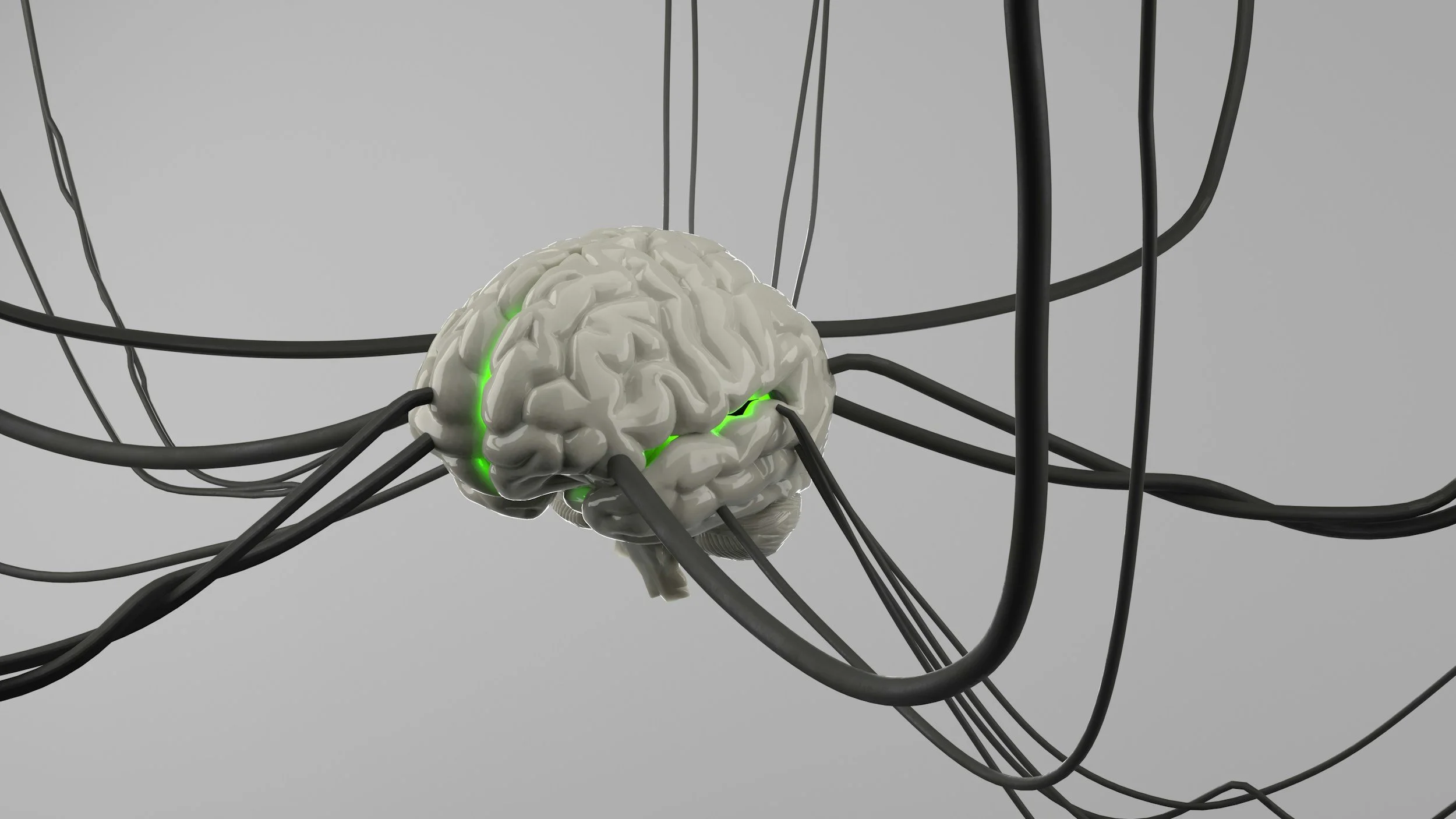
The neuroscience of EMPATHETIC people and beyond.
/
This is a fascinating intersection of psychology, neuroscience, and lived experience. Here are the main reasons researchers and clinicians have proposed:
1. Sensitivity as a precondition
Children who are temperamentally highly sensitive (HSPs — Highly Sensitive Persons, a trait studied by psychologist Elaine Aron) process sensory and emotional information more deeply than others. This same sensitivity that makes them empathic also makes adverse experiences more impactful. A difficult event that a less sensitive child might process and move on from can leave a deeper imprint on a highly sensitive child.
2. Trauma sharpens emotional radar
Growing up in unpredictable or unsafe environments (e.g., a volatile parent, neglect, instability) forces children to become hypervigilant — constantly reading the emotional state of caregivers to anticipate danger. Over time, this survival skill becomes second nature, and is often what adults later recognize as “empathy.” In this sense, some empathic ability is adaptive trauma response, not an innate gift alone.
3. The nervous system is shaped by early experience
Chronic childhood stress can dysregulate the autonomic nervous system and alter how the brain processes others’ emotions. Heightened amygdala reactivity, increased cortisol sensitivity, and changes in mirror neuron activation have all been linked to early adversity — and all relate to how intensely one perceives and absorbs others’ emotional states.
4. Lack of emotional mirroring
Children who weren’t emotionally validated by caregivers often become intensely attuned to others as a way of seeking connection. If your own feelings were ignored, minimized, or punished, you may have learned to focus outward — becoming expert at reading others while losing touch with your own internal signals.
5. Selection bias in self-identification
People who’ve experienced trauma often engage in more self-reflection and meaning-making. They’re also more likely to seek out frameworks (like “empath”) to explain their emotional intensity. This means the population who strongly identify as empaths may disproportionately include trauma survivors — not because trauma creates empaths, but because trauma survivors are more likely to recognize and name the trait in themselves.
6. The boundary erosion link
Trauma, especially relational trauma, often disrupts healthy boundary development. Empaths frequently report difficulty distinguishing their own feelings from others’ — a phenomenon that psychologists link to disrupted self-other differentiation, which can stem from enmeshed or chaotic early relationships.
Vital Germaine
