

Can AI replicate HUMAN CONNECTION?
/
AI can simulate aspects of human connection, but it cannot truly replicate the depth, mutuality, and lived experience of genuine human relationships.
What AI cannot do (so far)
Authentic consciousness and lived experience: AI lacks subjective experience, feelings, and personal history beyond training data.
Mutuality and reciprocity with agency: Human connection involves genuine mutual influence, vulnerability, and accountability; AI’s responses are generated without true intent or personal stakes.
Ethical and moral responsibility: Relationships involve nuanced value judgments, shared history, and evolving boundaries that go beyond algorithmic patterns.
Nonverbal depth and presence: Much of human connection is conveyed through body language, tone, micro-expressions, and presence—areas where AI cannot truly participate in the same way as humans.



Qualities of human connection AI attempts to approximate:
Listening and responsiveness: Acknowledging feelings, asking clarifying questions.
Consistency and reliability: Being dependable over time.
Empathy and validation: Recognizing emotions and offering supportive language.
Shared meaning: Recalling personal experiences and building on them.
Considerations and cautions
Transparency: It’s important to know when you’re interacting with AI, and understand its limitations.
Privacy: Be mindful of data privacy and what is shared in AI interactions.
Mental health: AI can supplement support but is not a replacement for trained professionals or real human relationships when needed.
Dependency risk: Over-reliance on AI for emotional needs can impact real-world social skills and relationships.
Practical guidance: If you’re seeking connection, combine AI tools with real-life interactions: conversations with friends/family, communities, or professionals.
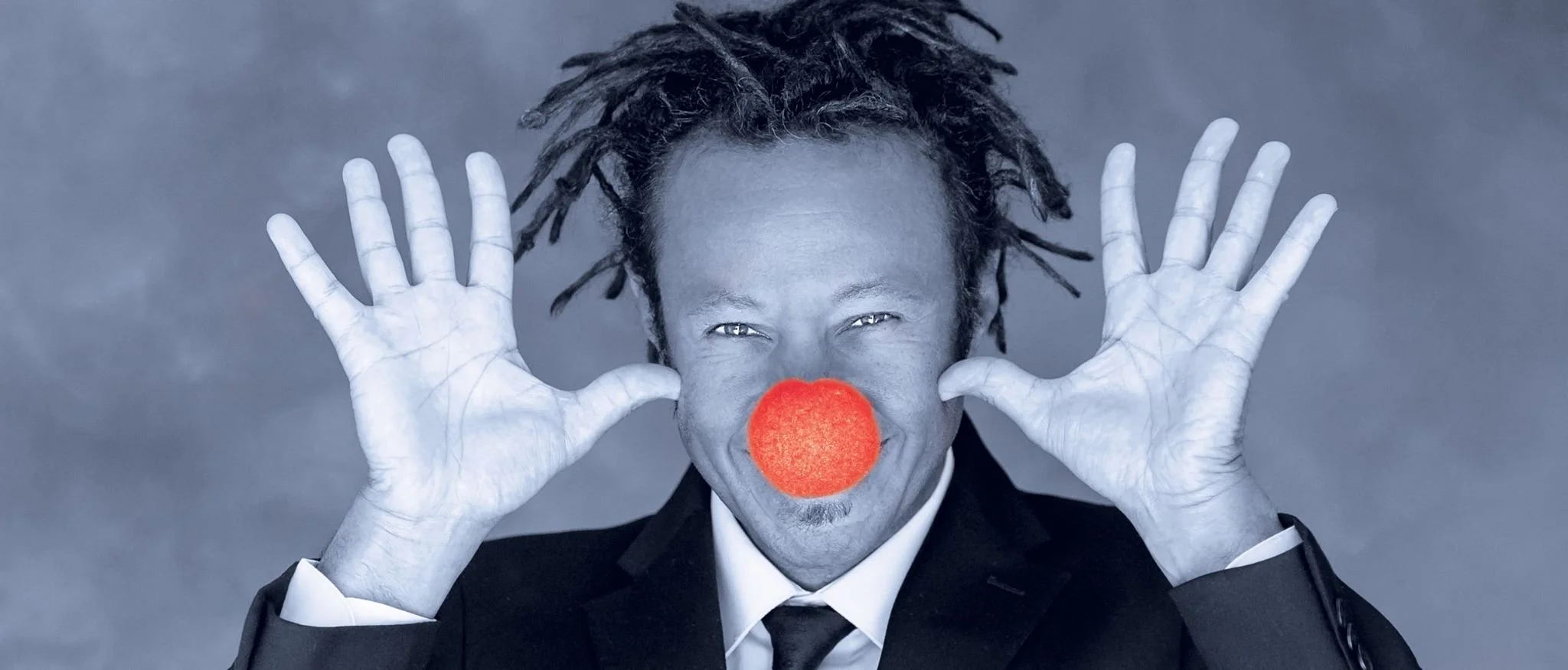
Vital Germaine
